
Low Impact Development
Thoughtfully redeveloping a retired industrial site into a next-generation energy and AI campus while minimizing environmental impact and preserving the surrounding natural landscape.
Approach
Built on Reuse
The project is centered on the redevelopment of historic industrial property rather than expansion into untouched land. By working on a previously industrial site, Titus Clean Industries can align new investment with an area already shaped by heavy industry, utilities, and transportation access.
That approach reduces the need for greenfield disruption and helps direct capital toward sites that can benefit from cleanup, modernization, and productive long-term use. It also supports a more disciplined development model grounded in existing conditions instead of speculative sprawl.

Facts
Why the Project Is Low Impact
Public discussion about large-scale infrastructure can sometimes overlook the difference between unmanaged expansion and disciplined industrial redevelopment. The Titus model is designed to limit disruption by focusing on site reuse, infrastructure readiness, and compatibility with industrial surroundings.

Industrial Site Reuse
The project advances on a historic industrial property, helping return an underused site to productive use instead of pushing development into new residential or undeveloped areas.

Existing Infrastructure
The campus strategy is built around existing industrial assets and strong utility access, including more than 200 MW of grid access, which supports a more efficient and coordinated redevelopment path.
Compatible Siting
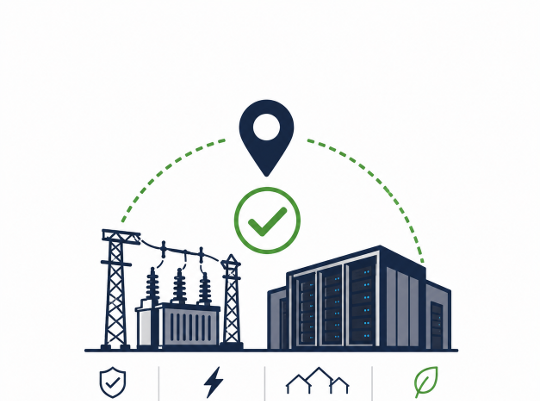
Project planning emphasizes industrial suitability, including no residential adjacency in the core development context, helping reduce land-use conflict and improve long-term compatibility.

Managed Growth
Redevelopment is paired with private investment, job creation, and long-term stewardship so that community benefits are tied to a site that is planned, regulated, and designed for durable industrial use.
Context
Measured Community Outcomes
Existing power access supports coordinated redevelopment rather than disconnected expansion.
Large-scale temporary employment can be created while reactivating a legacy industrial site.
Long-term operations support sustained economic activity and local opportunity.
Low-impact development is not only about minimizing disruption. It is also about creating a stronger long-term use for industrial land through infrastructure reuse, disciplined siting, and measurable community value.
Explore Community GrowthOperations
Responsible Site Operations
Project systems and site planning are designed to reduce unnecessary demand, limit off-site impacts, and support efficient, compliant long-term operations.
Operations
Water
The project is designed to maximize water efficiency by using reclaimed (grey) water from the nearby municipal wastewater treatment facility for cooling and other non-potable uses. This approach reduces demand on local drinking water supplies, conserves natural resources, and supports long-term sustainable operations.
Operations
Noise
Noise impacts are reduced through careful equipment selection, site planning, and operational design. Major equipment is selected for low-noise operation where possible, helping the project function efficiently while reducing sound impacts for the surrounding area.
Site Planning
Setbacks and Buffers
Large industrial setbacks and natural buffers help reduce both visual and noise impacts for nearby areas. Setbacks are planned to exceed local requirements, while landscaping and existing natural buffers help soften views and further reduce the project’s presence at the property edge.
Traffic
Direct Highway Access
Construction traffic does not travel through residential neighborhoods, helping protect daily life in nearby communities.
- Primary access via major highway
- No truck routes through our communities
- Traffic management plans in place during construction
Long-Term Value
Long-Term Community Safeguards
Reliability
Electric Bills
Dedicated generation and battery storage are designed consistent with Pennsylvania’s GRID objectives, supporting reliable, affordable electricity, strengthening regional grid reliability, and helping manage future energy needs.
Stewardship
Environment
Redevelopment of an existing industrial site avoids greenfield development, minimizes land impact, protects nearby natural resources and habitats, and supports sustainable construction and operations practices.
Preparedness
Safety
The project is designed to meet modern codes, with emergency response planning, high safety and building standards, coordination with local emergency responders, and ongoing training and preparedness.
Questions
Looking for Project Facts?
If you would like to discuss redevelopment planning, community considerations, or project details, contact Titus Clean Industries for direct information and next steps.